

Educational
Developer Onboarding Problems: How Technical Debt Slows Down New Hires
How technical debt creates developer onboarding problems: the hidden cost of complex legacy codebases on new hire productivity and long-term team retention.
Practical guides on technical debt, code refactoring and software modernization for engineering teams and CTOs.
How technical debt creates developer onboarding problems: the hidden cost of complex legacy codebases on new hire productivity and long-term team retention.

Slow deployment pipelines: the most common causes, their cost on delivery performance, and specific fixes that reduce pipeline time and improve deployment frequency.

How to reduce technical debt without stopping feature work: prioritization frameworks, incremental refactoring strategies, and backlog management approaches.

Why automated testing matters for legacy systems: characterization tests, the risks of refactoring without coverage, and a practical strategy to build it.

A legacy modernization case study: how a SaaS platform serving 200 clients migrated to a plugin architecture with zero downtime and 70% faster deployment.

A technical debt case study: how a fintech platform reduced monthly incidents from 40 to 4 through structured remediation and legacy modernization.

What engineering managers need to know about technical debt: how to identify it, quantify its cost, communicate it upward, and manage it systematically.

Microservices vs monolith: a practical comparison based on team size, organisational maturity, and the real cost of premature decomposition.

Internal developer platform: what it is, when building one is justified, and when it creates more complexity than it solves for your engineering team.

Pull request best practices that reduce review time, improve code quality, and prevent technical debt from accumulating with every merge.

Key takeaways from Accelerate by Forsgren, Humble and Kim: the four DORA metrics, what the research says, and how engineering leaders can apply it.

Change failure rate explained: what it measures, what causes a high rate, and the specific steps to reduce it without slowing down delivery.

A practical guide to developer productivity metrics: which DORA metrics actually matter, what to ignore, and how to act on the data.

Engineering culture explained: the practices, standards, and team habits that separate high-performing engineering teams from those that accumulate technical debt.

DORA metrics explained: deployment frequency, lead time for changes, MTTR, and change failure rate. How to measure and improve software delivery performance.

Technical debt ROI: how to quantify the cost of technical debt, build a business case with measurable outcomes, and get investment approved by leadership.

How to explain technical debt to management: translate engineering problems into business risk, financial impact, and concrete metrics that non-technical stakeholders understand.

When to rewrite software: the specific technical and business conditions that justify a full rewrite, and the warning signs that a rewrite is the wrong choice.

Refactoring vs rewrite: how to decide between incremental improvement and full replacement, and why most big rewrites fail to deliver their promised benefits.

Legacy code migration strategies: strangler fig, branch by abstraction, characterization tests, and how to achieve zero downtime migration in practice.

Continuous integration benefits explained: how CI reduces change failure rate, improves deployment frequency and eliminates integration debt in engineering teams.

Automated testing benefits for engineering teams: faster deployments, fewer incidents, and how characterization tests make legacy code safe to change.

Code refactoring best practices from senior engineers: safe techniques, code review standards, and how to reduce technical debt incrementally.

Software architecture patterns compared: monolith, modular monolith, microservices, event-driven. How to choose the right pattern for your system.

Architecture decision records explained: format, lifecycle, and how ADRs prevent repeated debates and undocumented tech debt in engineering teams.

Feature flags best practices for engineering teams: avoid flag debt, enable canary deployments and zero downtime releases without chaos.

How canary deployment works, how to configure traffic percentages, what metrics to monitor, and when to use canary vs. blue-green deployment.

How blue-green deployment works, when to use it, how to handle database migrations, and how to combine it with canary releases and feature flags.

Practical strategies for zero downtime migration: blue-green deployment, canary releases, feature flags, and database migration patterns that preserve availability.

A step-by-step guide to monolith decomposition: how to identify service boundaries, extract incrementally, and avoid common migration mistakes.

How to apply the strangler fig pattern to migrate a monolith incrementally: route, replace, and retire without big-bang rewrites or downtime.

How to use branch by abstraction to replace a module in production incrementally, with zero downtime and the ability to roll back at any point.

When and how to apply extract class refactoring to decompose god classes, reduce coupling, and improve cohesion in your codebase.

How to write characterization tests to safely add coverage to legacy code before refactoring, using golden master and approval testing techniques.

The 10 most practical refactoring techniques with before-and-after examples: extract method, extract class, move method, rename, and more.

A step-by-step guide to refactoring code safely: build test coverage, make small changes, verify, and commit incrementally.

A step-by-step approach to reducing technical debt: assess, prioritize, remediate, and prevent accumulation going forward.

A concrete framework for CTOs to prioritize technical debt using impact-effort analysis, hotspot mapping, and risk scoring.

Learn how to measure code health using concrete metrics and build a continuous improvement process for your codebase.

The God Class anti-pattern: how to identify it, understand why it forms and safely decompose it using Extract Class refactoring without breaking production.
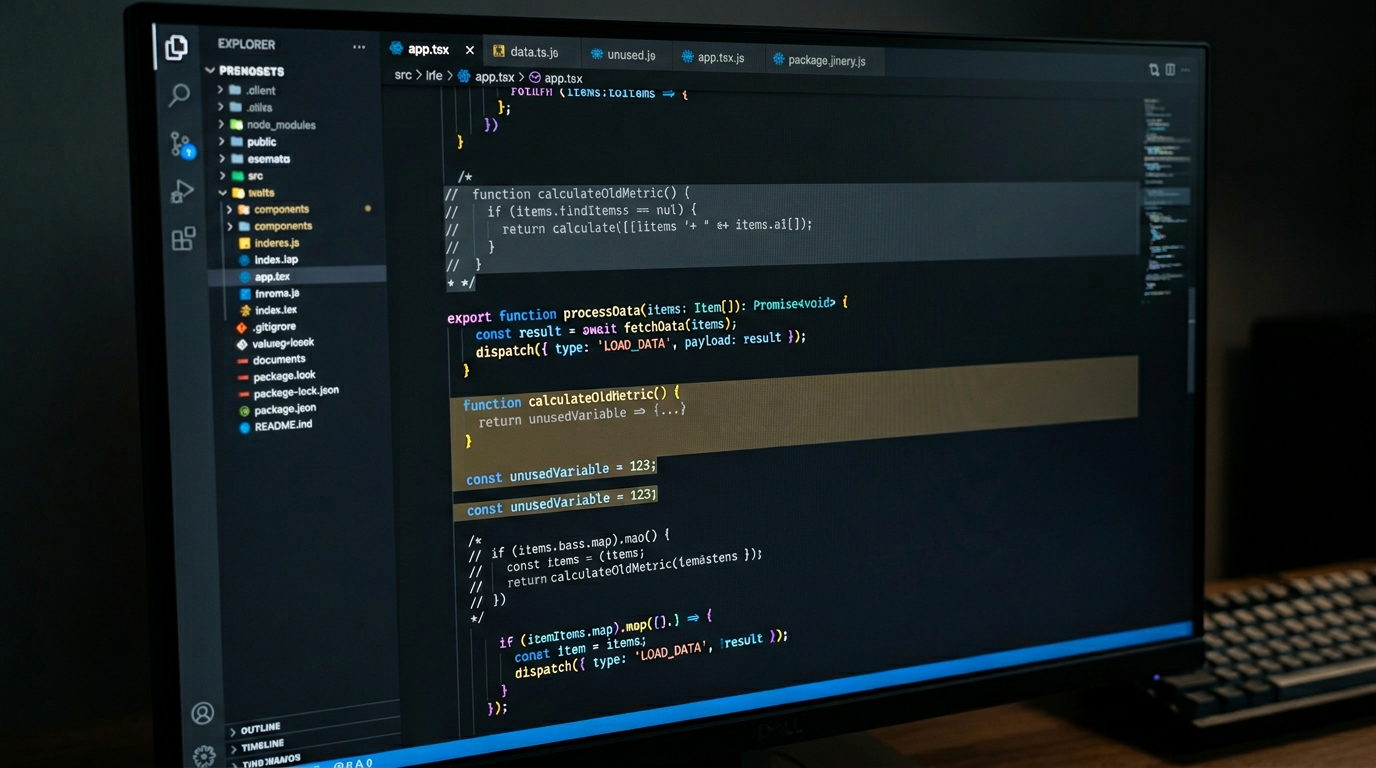
A practical guide to dead code: how to find unreachable and unused code, safely remove it and prevent it from accumulating in your codebase.

Cyclomatic complexity explained: what it measures, why it predicts technical debt and incidents, and how to reduce it without rewriting from scratch.
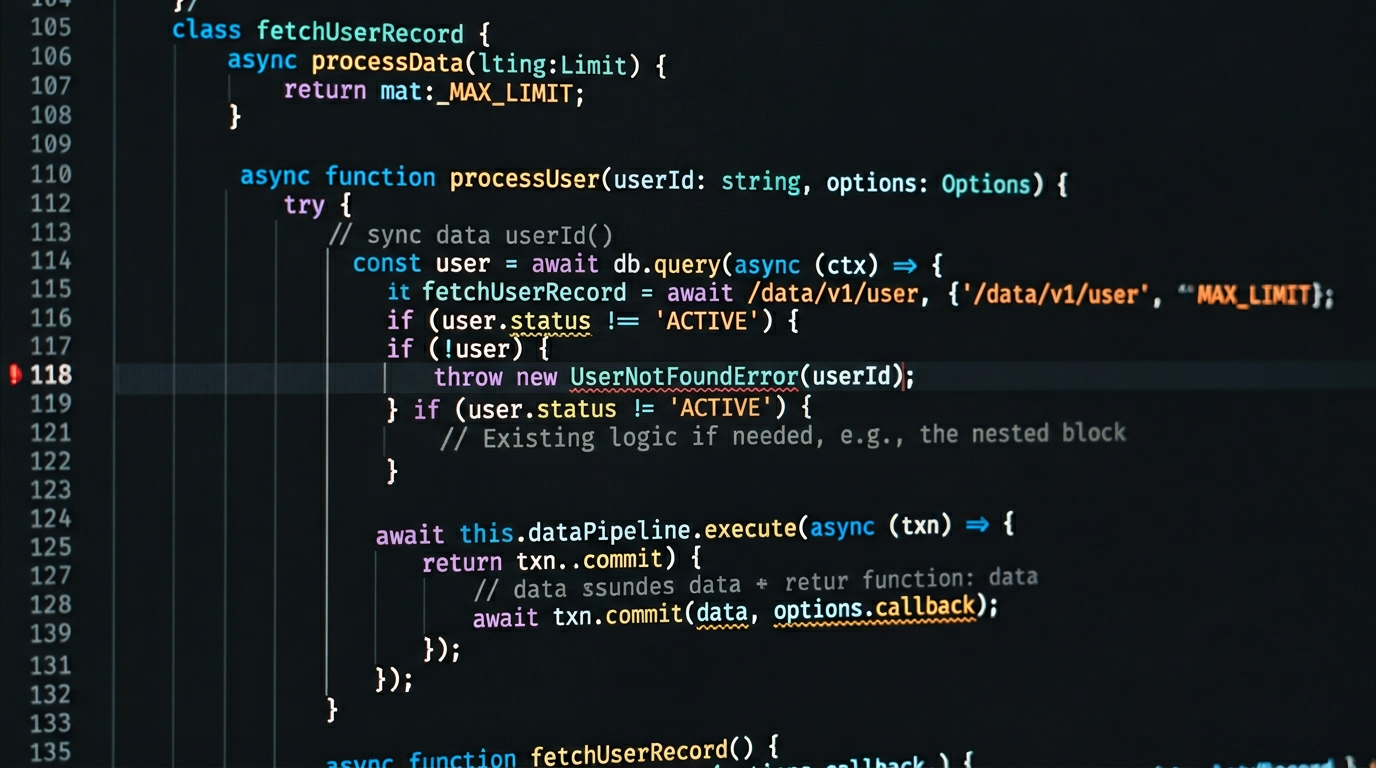
The 12 most common code smells, what they indicate about technical debt and concrete steps to fix each one without breaking production.

A practical framework for managing technical debt: how to assess, prioritize, remediate and prevent accumulation in engineering organizations.

How to handle technical debt in Scrum: backlog management, sprint planning strategies and how to reduce debt without sacrificing delivery velocity.

A technical debt dashboard guide: which metrics actually matter, how to build a tracker, and how to connect code health to business outcomes.

How to measure technical debt: the key metrics, tools and benchmarks engineering teams need to track code health and prioritize remediation.

The real cost of technical debt: how to calculate it in engineering hours, incident costs and blocked features, and how to present it to non-technical stakeholders.

A breakdown of the main types of technical debt: intentional, unintentional, and the Fowler quadrant model with practical remediation implications.

Real technical debt examples: 8 recurring patterns that slow down engineering teams, with concrete descriptions and remediation approaches.

Technical debt definition: explore its origins, the four quadrant model, types of debt and the real costs hidden in your engineering system.

What is technical debt? A clear guide covering origins, causes, consequences and how engineering teams can manage it effectively.
No articles found matching your search.